

Wedding Food Trends 2026 Worth Serving Now
A wedding meal is no longer a pause between the ceremony and the dancing. It is one of the moments guests remember most clearly: the first drink after the vows, the aroma drifting from the kitchen, the generosity of a shared feast and the late-night bite that keeps the dance floor full. The wedding food trends 2026 couples are choosing reflect that shift. They are looking for food with personality, thoughtful provenance and service that feels effortless from the first canapé to the final clear-down.
For Sussex weddings, this is particularly exciting. Our local larder offers exceptional seasonal produce, while barns, country houses and coastal venues lend themselves to relaxed but beautifully presented dining. The strongest menus will not chase every trend. They will take the couple's story, the season and the rhythm of the day, then turn them into something guests genuinely enjoy eating.
Wedding food trends 2026: generosity over formality
The move away from overly formal, identical plates continues, but that does not mean standards are slipping. Quite the opposite. Couples are choosing food that feels abundant and sociable, prepared with real care and served with polish.
Sharing feasts with a sense of occasion
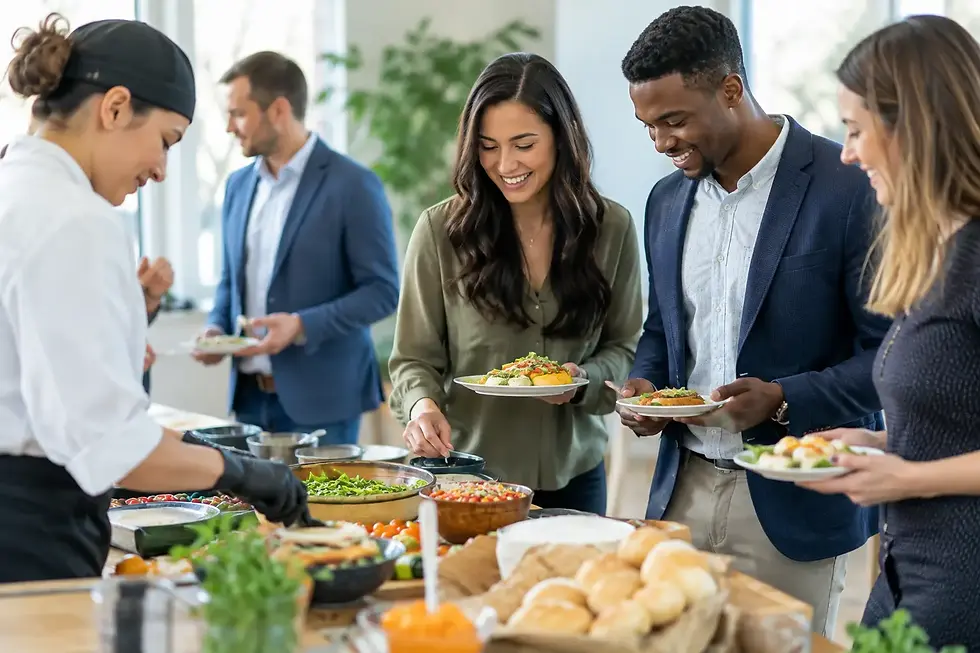
Generous sharing platters, family-style mains and beautifully dressed tables of seasonal salads are becoming a natural choice for couples who want conversation to flow. A slow-roasted centrepiece, market vegetables, vibrant sauces and warm breads can feel every bit as celebratory as a traditional plated main, while creating a more relaxed atmosphere.
This style works particularly well for barn weddings and long-table celebrations. It also helps guests feel involved in the meal rather than simply served it. The practical consideration is space: sharing dishes need tables large enough to accommodate them comfortably, and the menu needs careful planning so every guest can reach and enjoy the food. For more formal dining rooms or tighter layouts, plated service may still be the better fit.
Elevated comfort food
Comfort food is returning to wedding menus, but in a more considered form. Think crisp buttermilk chicken with a bright herb mayonnaise, slow-braised beef with silky mash, a rich vegetable pie finished with seasonal greens, or fish and chips served with restaurant-quality care.
The appeal is emotional as much as culinary. Guests recognise these flavours, which makes the experience instantly welcoming, yet thoughtful ingredients and precise cooking make the meal feel special. The key is avoiding novelty for novelty's sake. A favourite dish earns its place when it suits the season, the venue and the couple, not because it happens to be fashionable.
Late-night food that earns its place
By evening, a formal dessert course can feel like a distant memory. Couples are increasingly planning a second food moment: something warm, satisfying and easy to eat between songs. Mini toasted sandwiches, loaded fries, wood-fired flatbreads, sausage rolls made with excellent local meat, or a comforting bowl of something seasonal can give the evening a welcome lift.
Late-night catering needs more than a good idea. It needs the right timing, equipment, staffing and serving point so it does not interrupt the party. A well-run service can appear just when guests begin to need it, leaving the couple free to enjoy their evening rather than manage logistics.
Seasonal produce becomes part of the story
Guests increasingly want to know where their food has come from, especially when they are celebrating in a place known for its farms, vineyards and coastline. This does not require a long speech about every ingredient. It means choosing produce at its best and letting its quality speak for itself.
Spring menus can make the most of asparagus, peas, watercress and early herbs. Summer brings tomatoes, berries, courgettes and garden flowers. Autumn weddings suit squashes, mushrooms, apples and slow-cooked dishes, while winter celebrations can feel wonderfully generous with roots, brassicas and rich sauces.
Local, organic and seasonal ingredients often offer better flavour, but they also require flexibility. A bespoke menu should allow room for a supplier's best produce rather than promising a particular garnish months before the date. That is not a compromise. It is how food retains a sense of place and freshness.
Vegetable-led courses with real substance
A vegetarian option is no longer an afterthought placed quietly at the end of a menu. In 2026, vegetable-led dishes are being designed with the same depth, texture and visual appeal as every other course. Charred cauliflower with spiced grains, wild mushroom tartlets, roasted squash with whipped feta, and colourful seasonal salads can stand confidently at the heart of the table.
This approach is useful for mixed guest lists too. Rather than creating separate meals that make dietary guests feel singled out, many couples are choosing dishes everyone can enjoy alongside a more traditional main. A caterer should still manage allergens and dietary requirements carefully, with clear preparation procedures and service communication. Beautiful food is only successful when every guest can eat with confidence.
Interactive food, thoughtfully handled
Guests enjoy a little theatre, particularly during a drinks reception or evening celebration. Live finishing stations, chef-carved dishes and dessert displays can add energy without feeling staged. The most successful versions are elegant, quick to serve and designed around the flow of the event.
A pasta station where a chef finishes dishes to order, a dessert table with small, beautifully made puddings, or a seafood display at a coastal celebration can all create a memorable focal point. However, interactive catering is not right for every wedding. Queues can quickly undermine the experience, especially for larger guest numbers, and outdoor service brings weather, power and access considerations.
For celebrations of 150 guests or more, several service points or a carefully staggered approach may be needed. Good event catering is as much about movement and timing as it is about the menu itself.
Drinks and desserts become more personal
Couples are moving beyond standard wine choices towards drinks that feel connected to them and their setting. Sussex sparkling wine, locally made botanical soft drinks, house-made cordials and considered alcohol-free pairings are all gaining ground. The best drinks menus offer choice without becoming overwhelming, giving non-drinkers the same sense of occasion as everyone else.
Desserts are becoming more playful, too. Rather than one large formal cake doing all the work, couples may choose a cutting cake alongside a dessert table, individual tarts, warm puddings or a refined version of a childhood favourite. This can be a sensible way to cater for different tastes, but portion planning matters. A generous display should still be designed around the guest count, service window and the rest of the menu.
The wedding cake has a new supporting role
The traditional wedding cake remains an important visual moment, but it does not have to carry the entire dessert course. A small display cake can be paired with plated desserts or a dessert station, allowing couples more freedom with flavour and presentation. It can also reduce waste, particularly where a large cake would be cut late in the evening after guests have already enjoyed several courses.
Food service should feel invisible, not impersonal
Behind every relaxed wedding meal is detailed planning. The 2026 trend that matters most is not a dish or a style of service. It is the expectation that catering will feel personal while running with complete professionalism.
That begins with asking the right questions: How will guests arrive? Is there enough time between the ceremony and dinner? Where are dietary guests seated? Does the venue kitchen have the equipment needed? Will the evening food be served inside or outdoors? These details shape the menu as much as flavour preferences do.
At Marks Meals, bespoke menu planning is paired with full-service delivery, from the early conversation through service and take-down. That level of coordination gives couples the freedom to choose food that feels distinctive without taking on the pressure of making it happen.
The most memorable wedding food in 2026 will not be the most complicated. It will be food that feels generous, seasonal and unmistakably yours, served at the right moment by people who have thought through every detail. Start with the flavours you want your guests to talk about, then build a celebration around them.


Comments